(SITN)
Sharakhi Indigenous Tribal Nation

(SITN) Sharakhi Indigenous Tribal Nation (SITN) Sharakhi Indigenous Tribal Nation (SITN) Sharakhi Indigenous Tribal Nation
Home
Sacred Gallery
SITN Government Structure
SITN Archives
Historical Lineage
Ancient Knowledge
Federal Census Records
SITN Mission & Purpose
Stolen Identity & Lands
SITN Security Forces
GEIB(Guardian Protection)
National Funding
Education & Science
SITN Books
SITN & GEIB Artifacts
Tribal Chiefs/Ambassadors
Tribal Citizens/Nationals
SITN Sigils & Artifacts
Bloodline & Ancestral
Broken Treaties
509(a)(2) & 508(c)(1)(A)
SITN-Treaty Supremacy
Government Funding
Purpose & Mission
Public Notice
Historical Continuity
International Frameworks
Archives & Evidence Bible
Reclassification Erasure
Indian Removal Act 1830
Cultural Preservation
Oral Traditions
Pyramid Museums
A Living Nation
Principles of Governance
Non-Corporate
Modern infrastructure
SITN Agriculture & Food
SITN Infrastructure
SITN Humanitarian Aid

(SITN)
Sharakhi Indigenous Tribal Nation

(SITN) Sharakhi Indigenous Tribal Nation (SITN) Sharakhi Indigenous Tribal Nation (SITN) Sharakhi Indigenous Tribal Nation
Home
Sacred Gallery
SITN Government Structure
SITN Archives
Historical Lineage
Ancient Knowledge
Federal Census Records
SITN Mission & Purpose
Stolen Identity & Lands
SITN Security Forces
GEIB(Guardian Protection)
National Funding
Education & Science
SITN Books
SITN & GEIB Artifacts
Tribal Chiefs/Ambassadors
Tribal Citizens/Nationals
SITN Sigils & Artifacts
Bloodline & Ancestral
Broken Treaties
509(a)(2) & 508(c)(1)(A)
SITN-Treaty Supremacy
Government Funding
Purpose & Mission
Public Notice
Historical Continuity
International Frameworks
Archives & Evidence Bible
Reclassification Erasure
Indian Removal Act 1830
Cultural Preservation
Oral Traditions
Pyramid Museums
A Living Nation
Principles of Governance
Non-Corporate
Modern infrastructure
SITN Agriculture & Food
SITN Infrastructure
SITN Humanitarian Aid
More
  • Home
  • Sacred Gallery
  • SITN Government Structure
  • SITN Archives
  • Historical Lineage
  • Ancient Knowledge
  • Federal Census Records
  • SITN Mission & Purpose
  • Stolen Identity & Lands
  • SITN Security Forces
  • GEIB(Guardian Protection)
  • National Funding
  • Education & Science
  • SITN Books
  • SITN & GEIB Artifacts
  • Tribal Chiefs/Ambassadors
  • Tribal Citizens/Nationals
  • SITN Sigils & Artifacts
  • Bloodline & Ancestral
  • Broken Treaties
  • 509(a)(2) & 508(c)(1)(A)
  • SITN-Treaty Supremacy
  • Government Funding
  • Purpose & Mission
  • Public Notice
  • Historical Continuity
  • International Frameworks
  • Archives & Evidence Bible
  • Reclassification Erasure
  • Indian Removal Act 1830
  • Cultural Preservation
  • Oral Traditions
  • Pyramid Museums
  • A Living Nation
  • Principles of Governance
  • Non-Corporate
  • Modern infrastructure
  • SITN Agriculture & Food
  • SITN Infrastructure
  • SITN Humanitarian Aid
  • Home
  • Sacred Gallery
  • SITN Government Structure
  • SITN Archives
  • Historical Lineage
  • Ancient Knowledge
  • Federal Census Records
  • SITN Mission & Purpose
  • Stolen Identity & Lands
  • SITN Security Forces
  • GEIB(Guardian Protection)
  • National Funding
  • Education & Science
  • SITN Books
  • SITN & GEIB Artifacts
  • Tribal Chiefs/Ambassadors
  • Tribal Citizens/Nationals
  • SITN Sigils & Artifacts
  • Bloodline & Ancestral
  • Broken Treaties
  • 509(a)(2) & 508(c)(1)(A)
  • SITN-Treaty Supremacy
  • Government Funding
  • Purpose & Mission
  • Public Notice
  • Historical Continuity
  • International Frameworks
  • Archives & Evidence Bible
  • Reclassification Erasure
  • Indian Removal Act 1830
  • Cultural Preservation
  • Oral Traditions
  • Pyramid Museums
  • A Living Nation
  • Principles of Governance
  • Non-Corporate
  • Modern infrastructure
  • SITN Agriculture & Food
  • SITN Infrastructure
  • SITN Humanitarian Aid

Historical Continuity, Lineage & Treaty Foundations
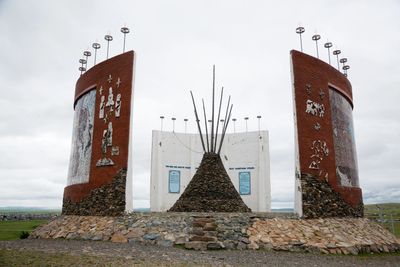
Historical Overview

The Sharakhi Indigenous Tribal Nation (SITN) represents a living continuum of Indigenous peoples whose presence, identity, and cultural systems predate the formation of modern state and federal governments. SITN’s history is not reconstructed from theory or revival movements, but preserved through documented lineage, land records, oral tradition, and historical continuity maintained across generations.

SITN families remained present on their ancestral homelands through periods of colonization, forced migration, slavery, and racial reclassification. Despite these pressures, Indigenous identity, kinship systems, and land relationships endured.

Historical Continuity, Lineage & Treaty Foundations

The Sharakhi Indigenous Tribal Nation (SITN) maintains a documented historical record demonstrating Indigenous continuity through lineage, geography, and lawful documentation. These records are preserved within the Nation’s archives and include affidavits, federal records, land patents, treaty references, and oral histories transmitted across generations.


Lineage & Identity Continuity


Historical records reflect that Indigenous families were frequently reclassified in state and federal documents during the 17th -18th–20th centuries, often recorded under racial categories such as “Indian" Mulatto “Negro” or “Black.” This administrative reclassification occurred during periods of slavery, Jim Crow, and eugenics policy and did not extinguish Indigenous bloodline, kinship, or community continuity.


SITN documentation addresses this history through:


Affidavits of lineage and identity continuity


Federal and state census records across multiple generations


Indigenous oral history preserved within family lines


Geographic continuity across regions associated with Creek (Muscogee), Choctaw, Seminole, and related Indigenous migration paths


Bloodline - Hematology records


These records are preserved as historical evidence, not assertions of exclusion or conflict.

Reclassification Erasure & Identity Theft

Copyright © 2025 Sharakhi Indigenous Tribal Nation - All Rights Reserved.  


All materials presented are provided for historical, educational, and archival purposes and are maintained as part of the Nation’s documentary record.  This website does not solicit funds, services, or political action and is maintained solely for public record, education, and governmental transparency. 

Powered by Sharakhi Indigenous Tribal Nation

This website uses cookies.

We use cookies to analyze website traffic and optimize your website experience. By accepting our use of cookies, your data will be aggregated with all other user data.

Accept