- Home
- Sacred Gallery
- SITN Government Structure
- SITN Archives
- Historical Lineage
- Ancient Knowledge
- Federal Census Records
- SITN Mission & Purpose
- Stolen Identity & Lands
- SITN Security Forces
- GEIB(Guardian Protection)
- National Funding
- Education & Science
- SITN Books
- SITN & GEIB Artifacts
- Tribal Chiefs/Ambassadors
- Tribal Citizens/Nationals
- SITN Sigils & Artifacts
- Bloodline & Ancestral
- Broken Treaties
- 509(a)(2) & 508(c)(1)(A)
- SITN-Treaty Supremacy
- Government Funding
- Purpose & Mission
- Public Notice
- Historical Continuity
- International Frameworks
- Archives & Evidence Bible
- Reclassification Erasure
- Indian Removal Act 1830
- Cultural Preservation
- Oral Traditions
- Pyramid Museums
- A Living Nation
- Principles of Governance
- Non-Corporate
- Modern infrastructure
- SITN Agriculture & Food
- SITN Infrastructure
- SITN Humanitarian Aid
- State/Federal Recognition
Government & Constitution
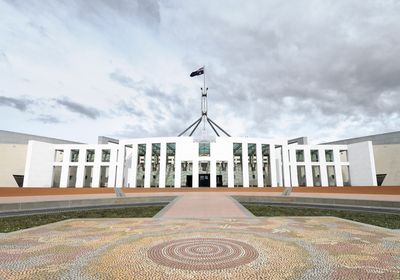
SITN is an IRS tax-exempt Tribal Government
IRS-Recognized, Trust-Based Government
SITN operates as a 508(c)(1)(A) tax-exempt tribal government, formally registered with the IRS.
• Government Trust: Handles core governance, security, and economic policy.
• Public-Benefit Living Trust: Manages cultural projects—museums, pyramid research centers, heritage parks, and more—while keeping sacred assets separate from commercial activity.
“Sovereign-Recognized” Nation
Federal policy states that acknowledgement confirms an inherent sovereignty that already exists; it does not create or grant it.
SITN exercises that sovereignty through Government Trust governance, tribal customary law, treaties and nation-to-nation agreements.
SITN GOVERNMENT
The Sharakhi Indigenous Tribal Nation operates as an unincorporated Indigenous tribal government.
Governance is exercised through:
A Tribal Council and Council of Elders
Trust-based administration for stewardship of cultural, historical, and community affairs
Designated representatives acting in fiduciary and administrative capacities
SITN is a sovereign unincorporated 508 (c)(1)(A) indigenous faith-based indian tribal government, Ecclesiastical, Humanitarian, non-commercial, non-corporate, and functions independently of state or federal incorporation systems. All governmental actions are conducted for cultural preservation, historical integrity, and community welfare.
JUSTICE, LAW & PROTECTION
(Justice / enforcement-related)
SITN maintains independent systems for justice, dispute resolution, and community protection based on customary law, natural law, humanitarian law and restorative principles. Our approach prioritizes fairness, transparency, and the protection of individual and collective rights.
SECURITY & PEACEKEEPING
(Sheriff / Tribal Police / Guardians / GEIB protection)
The Nation maintains internal peacekeeping and protective services dedicated to safeguarding our people, lands, and sacred responsibilities. These services exist to preserve peace, respond to emergencies, and uphold the Nation’s laws with integrity and restraint.
DIPLOMACY & INTERNATIONAL RELATIONS
(Embassy / foreign relations)
Sharakhi Indigenous Tribal Nation engages in peaceful diplomacy, cultural exchange, and cooperative relations with other Indigenous nations, organizations, and global partners. Our diplomatic mission is centered on mutual respect, learning, and shared advancement.
ECONOMIC & FINANCIAL SYSTEMS
(Treasury / banking / economic sovereignty)
SITN is developing sovereign economic systems designed to support self-sufficiency, ethical trade, and long-term prosperity. These systems prioritize transparency, asset protection, and sustainable growth aligned with Indigenous values.
CULTURE, HERITAGE & LINEAGE
(History / identity)
Our Nation preserves and honors ancestral lineage, oral history, and cultural traditions passed down through generations. This foundation guides our identity, governance, and responsibility to protect what was entrusted to us.
SPIRITUAL MISSION & ENLIGHTENMENT
(Faith / spiritual governance)
Spiritual wisdom and ethical consciousness are central to the Sharakhi Nation. Our spiritual mission emphasizes enlightenment, balance, and harmony between humanity, nature, and divine order.
NATION BUILDING & INFRASTRUCTURE
(Future vision / development)
SITN is committed to building sustainable infrastructure, education systems, and community institutions that support long-term wellbeing. Our development vision blends ancient knowledge with modern innovation.
HUMANITARIAN & COMMUNITY INITIATIVES
(Aid / service)
Through humanitarian and community-focused initiatives, the Nation works to uplift people, protect the vulnerable, and promote peaceful solutions to global and local challenges.
OFFICIAL RECORDS & PUBLIC NOTICES
This section provides access to public statements, official notices, and foundational documents issued by the Sharakhi Indigenous Tribal Nation in the interest of transparency and public awareness.
Constitution of the Sharakhi Indigenous Tribal Nation
Sharakhi Indigenous Tribal Nation - Constitution
Preamble
We, the people of the Sharakhi Indigenous Tribal Nation, in recognition of our inherent sovereignty, sacred traditions, and ancestral rights, do hereby establish this Constitution to govern ourselves with justice, unity, and respect for all living beings. We affirm our commitment to self-determination, cultural preservation, and the spiritual well-being of our people.
Article I: Name and Purpose
Section 1: Name
This Nation shall be known as the Sharakhi Indigenous Tribal Nation (hereinafter “the Nation”).
Section 2: Purpose
The purposes of this Nation are:
To protect, preserve, and promote the spiritual, cultural, and historical traditions of the Sharakhi people.
To govern our people according to ancestral customs and natural law.
To safeguard the inherent rights, land, and resources of the Nation.
To provide for the general welfare, health, and education of our citizens.
To establish relationships with other Indigenous nations and governmental bodies while maintaining our sovereignty.
To operate as a faith-based organization under 508(c)(1)(A), ensuring our religious and spiritual practices remain free from governmental interference.
Article II: Sovereignty and Jurisdiction
Section 1: Sovereignty
The Sharakhi Indigenous Tribal Nation is a sovereign, self-governing people with the inherent right to determine its own laws, policies, and governance structure. No external authority shall infringe upon these rights.
Section 2: Jurisdiction
The jurisdiction of this Constitution extends to all members of the Nation, its lands, territories, and any persons or entities engaged in activities within its recognized authority.
Article III: Citizenship
Section 1: Eligibility
Citizenship in the Sharakhi Indigenous Tribal Nation shall be determined based on:
Lineal descent from recognized reclassified ancestors listed under Creek, Choctaw, Seminole etc.
Adoption into the Nation through established cultural and spiritual rites.
Any other criteria established by tribal law.
Section 2: Rights of Citizens
All citizens of the Nation shall have the right to:
Practice their spiritual and cultural traditions freely.
Participate in tribal governance and decision-making.
Seek protection and representation by the Nation.
Access Nation-provided education, health, and welfare services.
Article IV: Governance Structure
Section 1: Tribal Council
The legislative authority of the Nation shall be vested in the Tribal Council, composed of Elders, leaders, and representatives chosen in accordance with traditional governance practices.
Section 2: Executive Leadership
The executive authority shall be vested in a Tribal Chief (or equivalent title chosen by the Nation), responsible for:
Upholding the laws and customs of the Nation.
Representing the Nation in external relations.
Enforcing decisions made by the Tribal Council.
Section 3: Judicial Authority
A Tribal Court shall be established to resolve disputes, interpret laws, and uphold justice according to traditional customs and principles.
Article V: Laws and Traditions
Section 1: Customary Law
The Nation shall be governed primarily by customary laws passed down through generations, which shall hold precedence unless amended through formal council procedures.
Section 2: Spiritual and Religious Freedom
As a 508(c)(1)(A) faith-based organization, the Nation affirms its right to operate outside of governmental restrictions on religious expression, ensuring the protection of sacred ceremonies, teachings, and practices.
Article VI: Land and Resources
Section 1: Stewardship
The land, waters, and natural resources within the jurisdiction of the Nation are held in trust for the benefit of present and future generations, and no portion shall be alienated or sold without the consent of the people.
Section 2: Use and Protection
The Nation shall regulate land use to ensure environmental sustainability.
Sacred sites shall be preserved and protected from exploitation.
Article VII: Amendments
Section 1: Procedure
Amendments to this Constitution may be proposed by the Tribal Council or by petition from at least one-third of the Nation’s Tribal leaders, Tribal Chiefs or Citizens and shall be enacted by a two-thirds majority vote of the Council after proper consultation with the people.
Article VIII: Ratification
This Constitution shall take effect upon approval by the Tribal Council or Tribal Chiefs and formal acknowledgment by the Nation’s citizens.
